Compare Local Contractors for Building Excavation Projects
Compare local contractors for building excavation to define project scope, verify experience, and set clear expectations for a successful job.
Building excavation services typically involve preparing a site for construction by removing soil, rock, and debris to create a stable foundation. This process may include digging trenches for utilities, grading land to ensure proper drainage, or clearing the area to meet specific project requirements. Contractors often use heavy machinery such as excavators, bulldozers, and loaders to perform these tasks efficiently and accurately, ensuring the groundwork is suitable for the next phases of construction.
Defining the scope of excavation work is essential to ensure the project meets expectations and avoids misunderstandings. Clearly outlining the specific tasks involved-such as the depth and extent of digging, soil removal, site grading, or utility trenching-helps property owners communicate their needs and allows contractors to provide appropriate services. Documenting these details in writing can also serve as a reference point, reducing the potential for disputes and ensuring all parties are aligned on the work to be performed.
Property owners can compare local contractors by evaluating their experience with similar projects, understanding their approach to scope and planning, and verifying their familiarity with the local area’s soil and terrain conditions. It’s helpful to ask for references or examples of past work, and to confirm that the contractor’s expertise aligns with the specific requirements of the excavation project. By reviewing these factors and ensuring clear, written communication about scope and expectations, property owners can connect with service providers capable of handling the job effectively.
Compare local contractors by outlining project priorities, verifying experience, and clearly defining scope and expectations.
- Define Project Scope - clearly outline the excavation requirements to ensure alignment with project goals.
- Verify Experience - assess the background of local contractors to confirm their familiarity with similar excavation work.
- Compare Service Providers - evaluate multiple local contractors based on expertise, reputation, and service offerings.
- Document Expectations - establish written agreements detailing project scope, responsibilities, and deliverables.
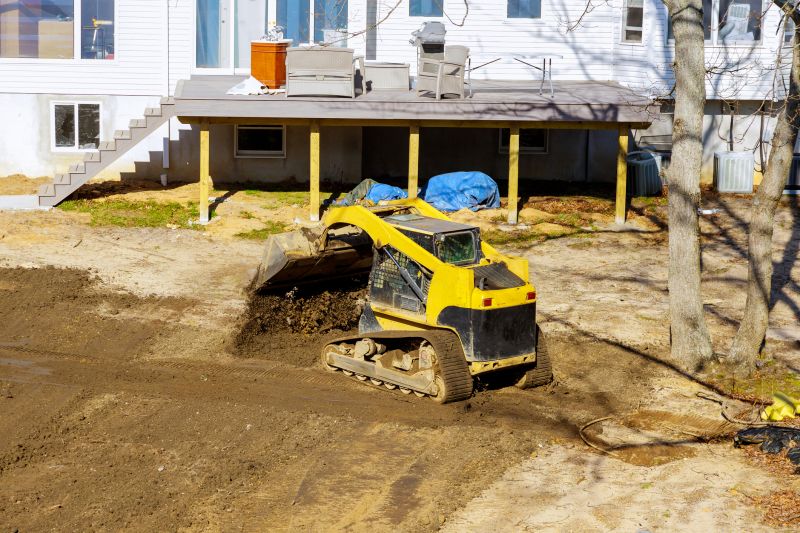
Clearly describe your excavation project and compare local contractors based on experience, scope, and written expectations.
- Verify experience and references of local contractors for excavation projects. Ensure contractors have a proven track record with similar building excavation jobs.
- Define the scope of work clearly in writing to prevent misunderstandings or scope creep. Detailed project descriptions help compare service providers effectively.
- Check that contractors understand site-specific considerations such as soil type and access constraints. Clear communication about site conditions is essential for proper planning.
- Confirm that contractors have appropriate insurance coverage for excavation work. Insurance verification protects against potential liabilities during the project.
- Request detailed written estimates that outline the scope, materials, and work expectations. Well-defined estimates facilitate accurate contractor comparisons.
- Discuss site preparation and safety protocols to ensure all expectations are documented upfront. Clear documentation of safety measures helps align project standards.
Compare local contractors’ experience and verify scope details to ensure clear project expectations.
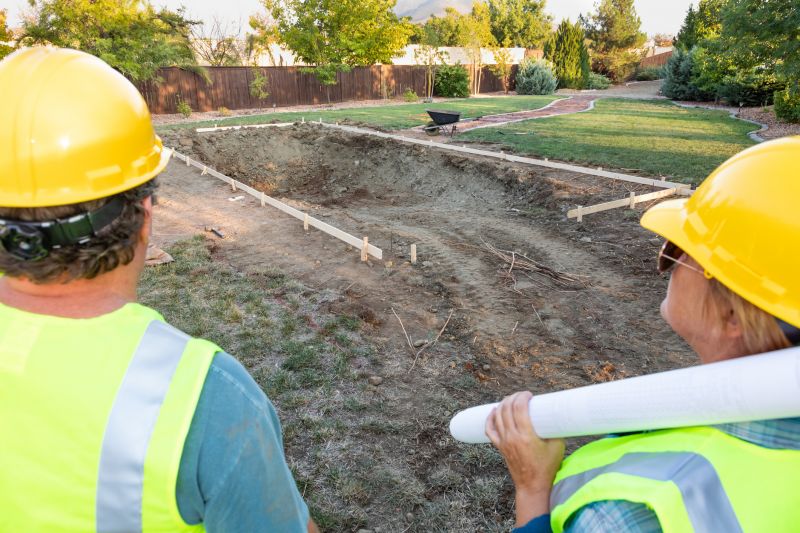
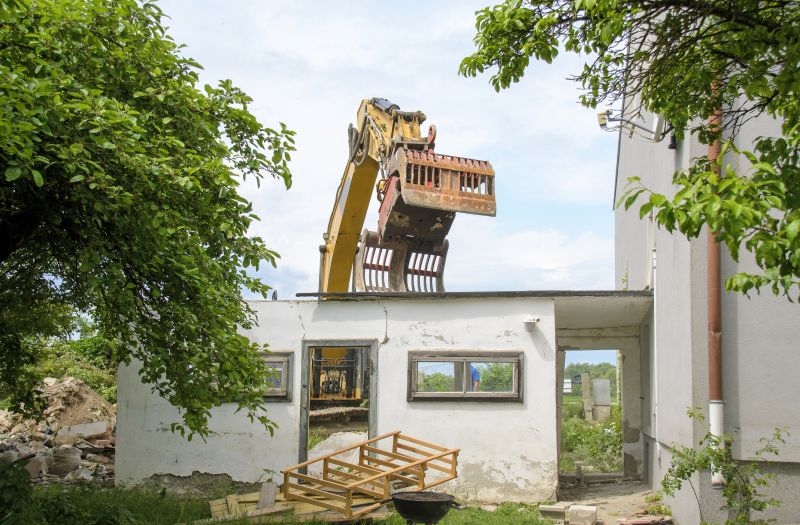
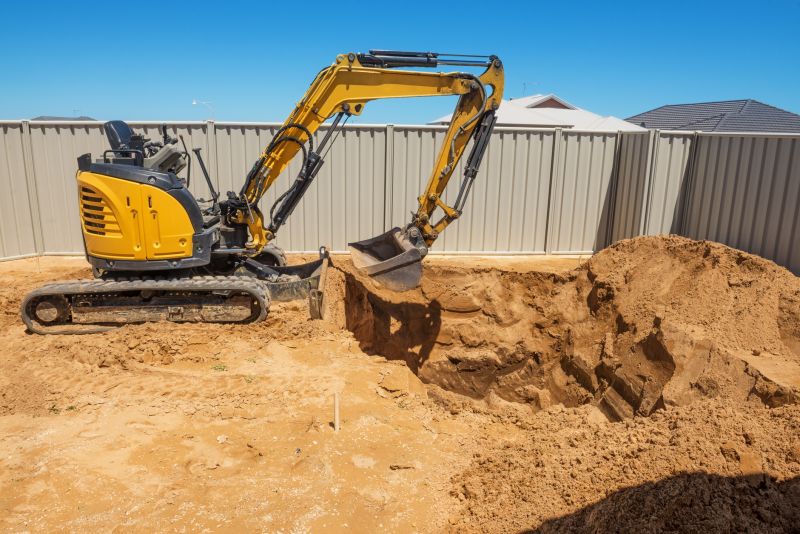
Learn how to compare local contractors for building excavation by defining scope, verifying experience, and setting clear expectations.
- Scope Definition - Clearly outline the specific excavation tasks required for the project.
- Experience Verification - Confirm that local contractors have relevant experience with similar building excavation projects.
- Equipment and Resources - Ensure contractors have the necessary machinery and tools for the scope of excavation work.
- Site Preparation Requirements - Identify any site-specific conditions or preparations needed before excavation begins.
- Written Agreement - Obtain a detailed, written scope of work to set clear expectations and responsibilities.
When evaluating contractors for building excavation, it is important to consider their experience with projects similar in scope and complexity to your own. Homeowners should inquire about the types of excavation work the contractor has completed, paying attention to the size and nature of those projects. Contractors with a history of handling similar site conditions and project requirements are more likely to understand the specific challenges and best practices needed for your job. This background can provide confidence that the service provider has relevant expertise, reducing the risk of unexpected issues during the excavation process.
A clear, written scope of work is essential when comparing building excavation contractors. This document should outline the specific tasks to be performed, the materials involved, and any key milestones or deliverables. Having a detailed scope helps ensure that all parties share the same understanding of the project’s extent and expectations, minimizing misunderstandings later on. Homeowners are encouraged to review and discuss the scope thoroughly before proceeding, and to confirm that it accurately reflects their project needs and any particular site considerations.
Verification basics involve confirming the contractor’s ability to deliver the work as described. Homeowners should verify that the contractor has a proven track record of completing similar projects successfully. This can involve requesting references or reviewing previous work in the area. Additionally, it is helpful to confirm that the contractor has appropriate insurance coverage and follows established safety and operational standards. These verification steps can provide additional assurance that the chosen service provider is capable of managing the project effectively and responsibly.
When comparing options, it is useful to evaluate how each contractor plans to approach the excavation project and how well their proposals align with the project scope. Homeowners should ask for detailed descriptions of the methods, equipment, and sequencing they intend to use. It is also beneficial to consider the clarity and thoroughness of the written proposals, as well as how well each contractor communicates and addresses questions. By focusing on experience, scope clarity, verification, and approach, homeowners can make informed decisions that lead to successful excavation projects with local service providers.
Request written scope and expectations to ensure clarity and consistency when comparing building excavation contractors.
- Experience and Expertise - What specific experience do the local contractors have with building excavation projects similar to this one?
- Scope of Work - How clearly do the service providers define the scope of excavation services included in their proposals?
- Equipment and Techniques - What types of equipment and excavation methods do the local contractors plan to use for this project?
- Project Requirements - How do the contractors plan to address site-specific challenges and ensure the scope meets project needs?
- Written Agreements - Are the scope, expectations, and responsibilities clearly outlined in written agreements before work begins?
What should I consider when choosing a contractor for building excavation? It's important to compare local contractors based on their experience, reputation, and the scope of services offered to ensure they meet the specific needs of the project.
How can I verify a contractor's experience in excavation work? You can review references, check past project portfolios, and ask for details about their previous excavation jobs to assess their expertise and reliability.
What details should be included in a written scope of work? A comprehensive scope should specify the excavation tasks, project boundaries, materials, and any additional services to set clear expectations for the contractor.
Why is it important to compare multiple local contractors? Comparing several service providers helps identify those with the appropriate experience, reputation, and service offerings suited to the specific excavation project.
How can I ensure a contractor understands the project requirements? Clearly communicate the project scope, expectations, and any special considerations in writing to prevent misunderstandings and ensure alignment.
What questions should I ask when evaluating contractors for excavation work? Ask about their experience with similar projects, methods used, references from past clients, and how they handle unexpected issues during excavation.
This page has highlighted the importance of understanding the scope of a building excavation project, verifying experience, and setting clear expectations in writing when working with contractors. Comparing local service providers can help identify options that align with specific project needs and ensure a smooth process from planning to completion. Utilizing the quote form allows for a straightforward way to gather information and connect with qualified local contractors who can handle excavation work effectively.
By using the provided quote form, visitors can easily explore and compare different local contractors for building excavation services. Taking the time to define project details and verify experience can support informed decisions and foster successful collaborations. Connecting with experienced local service providers through this process can help ensure that the excavation work is managed by professionals suited to the scope of the project.